

Thanksgiving Pet Safety: Keeping Your Furry Family Members Happy and Healthy
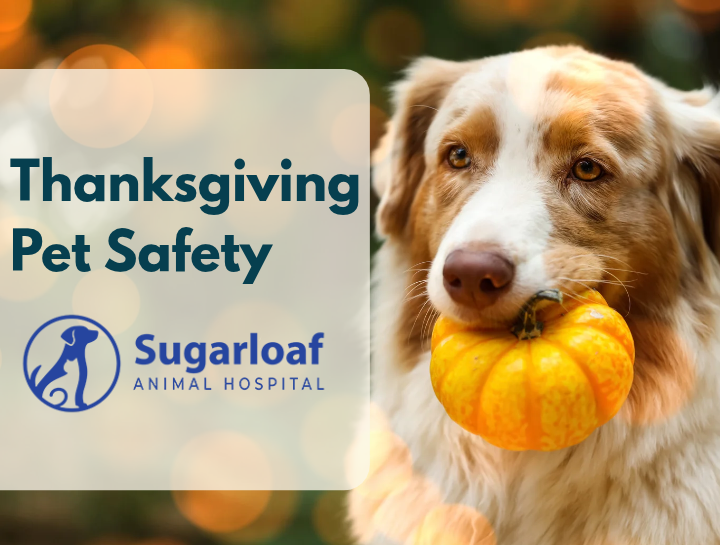
Thanksgiving is a wonderful time to gather with family and friends, enjoy delicious food, and celebrate everything we are thankful for. While we love including our pets in the festivities, Thanksgiving can also bring some unexpected dangers for our four-legged family members.
From tempting table scraps to busy kitchens and visiting guests, there are several things pet owners should keep in mind to ensure their dogs and cats stay safe throughout the holiday.
Here are some important Thanksgiving pet safety tips from your veterinary team!
1. Keep Thanksgiving Foods Out of Paw's Reach
It can be tempting to share a little holiday feast with your pet, but many traditional Thanksgiving foods can be harmful to dogs and cats.
Some common foods to avoid include:
- Turkey bones: Cooked bones can splinter and cause choking, intestinal blockages, or serious digestive injuries.
- Turkey skin and fatty foods: High-fat foods can cause gastrointestinal upset and may contribute to pancreatitis.
- Onions and garlic: These ingredients can damage red blood cells and cause anemia in dogs and cats.
- Grapes and raisins: Even small amounts can cause serious kidney damage in dogs.
- Chocolate and desserts: Chocolate can be toxic, while desserts containing xylitol (a sugar substitute) can be extremely dangerous.
- Alcohol: Even small amounts can cause serious poisoning.
- Rich gravies and sauces: These may contain excessive fat, salt, garlic, onions, and other ingredients that are unsafe for pets.
If you want your pet to enjoy a little Thanksgiving treat, consider offering a small amount of plain, boneless, skinless, fully cooked turkey or plain, cooked sweet potato without butter, seasoning, or added ingredients.
2. Be Careful in the Kitchen
Thanksgiving meal preparation can create plenty of opportunities for curious pets to get into trouble.
Keep pets away from hot stovetops, ovens, boiling liquids, sharp utensils, and unattended food. Make sure countertops are clear of tempting ingredients, and keep trash cans securely covered.
Remember that turkey strings, aluminum foil, plastic wrap, and food packaging can also pose choking or intestinal obstruction hazards.
3. Create a Safe Space Away from Guests
While some pets love having company, others may become anxious or overwhelmed by a house full of visitors.
Frequent door openings can also increase the risk of pets slipping outside.
Help your pet feel comfortable by:
- Providing a quiet room or designated safe space.
- Making sure fresh water and a comfortable bed are available.
- Keeping their favorite toys nearby.
- Reminding guests not to feed your pet table scraps.
- Making sure pets have proper identification and updated microchip information.
If your pet is uncomfortable around crowds, allowing them to relax in a separate room may be the best holiday gift you can give them!
4. Watch Out for Holiday Decorations
Thanksgiving decorations can add a festive touch to your home, but some may be hazardous to pets.
Be mindful of:
- Candles and open flames that can cause burns or fires.
- Decorative gourds and pumpkins that may cause stomach upset if chewed or swallowed.
- Floral arrangements that may contain toxic plants.
- Table decorations and small objects that could be swallowed.
- Electrical cords and decorative lights.
Keep decorations out of reach and supervise pets around new items in your home.
5. Don't Forget About the Trash!
After the Thanksgiving meal, food scraps and leftovers can be especially tempting to pets.
Discarded turkey bones, spoiled food, greasy leftovers, and food packaging can all cause problems. Make sure garbage is placed in a secure container that pets cannot access.
A quick cleanup after dinner can prevent an unexpected trip to the emergency veterinarian.
6. Know When to Call Your Veterinarian
Even with the best precautions, accidents can happen. If your pet eats something potentially toxic or develops concerning symptoms, contact your veterinarian promptly.
Watch for signs such as:
- Vomiting or diarrhea
- Excessive drooling
- Lethargy or weakness
- Loss of appetite
- Abdominal pain or bloating
- Tremors or seizures
- Difficulty breathing
Do not wait for symptoms to appear if you know your pet has eaten something potentially toxic. Some toxins can cause serious problems before noticeable signs develop.
If your regular veterinary clinic is closed for the holiday, know the location and phone number of your nearest emergency veterinary hospital. You can also contact the ASPCA Animal Poison Control Center at (888) 426-4435 or the Pet Poison Helpline at (855) 764-7661. Consultation fees may apply.
A Happy and Healthy Thanksgiving to You and Your Pets!
Thanksgiving is a time to celebrate the people and pets who make our lives special. With a little preparation and some extra precautions, you can help ensure your furry family members enjoy a safe and happy holiday.
From all of us at Sugarloaf Animal Hospital, we wish you and your family a wonderful Thanksgiving filled with love, gratitude, and plenty of happy tails!
Remember: The best Thanksgiving treat you can give your pet is keeping them safe, healthy, and by your side for many holidays to come!